Category: Design & Home Features (37)

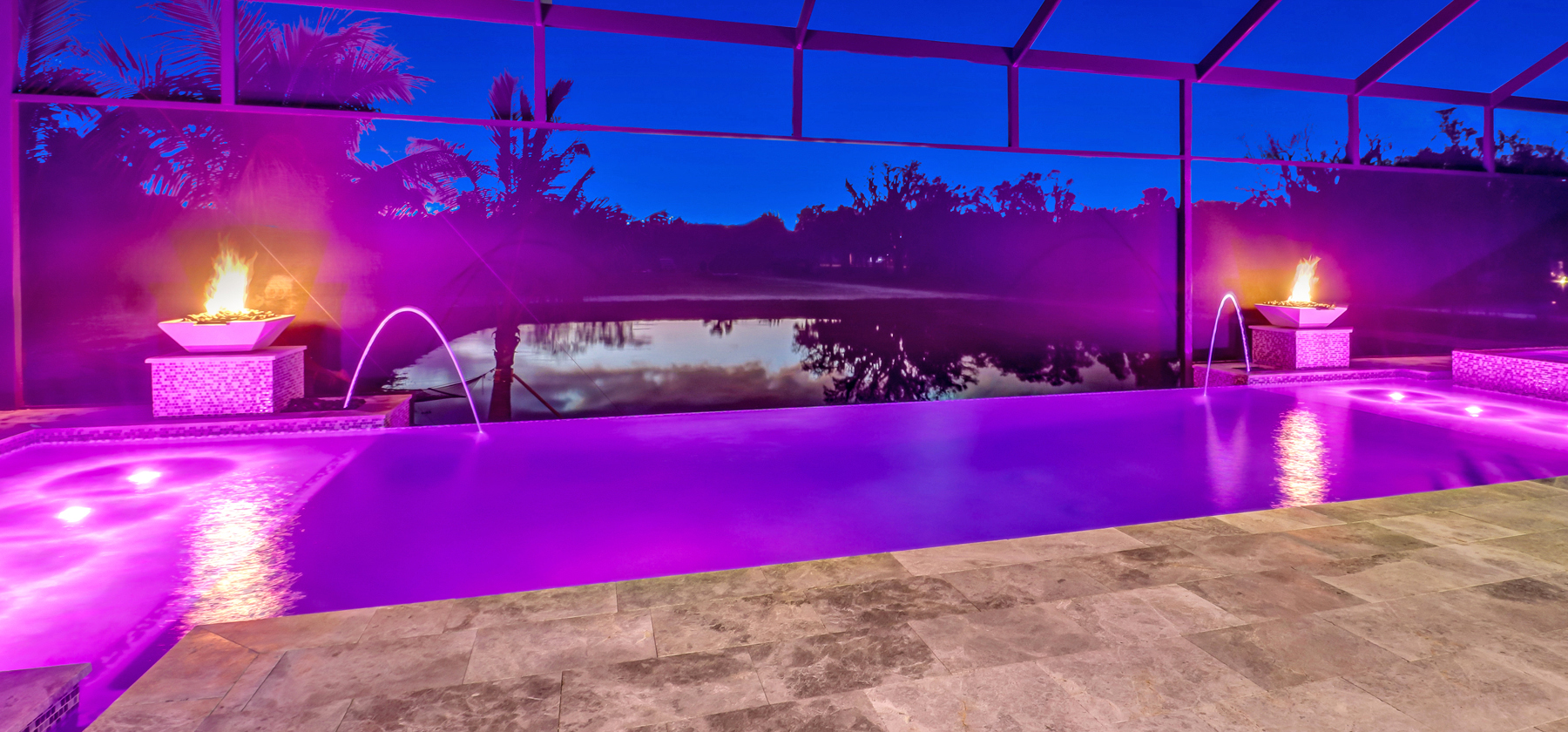
Congratulations, you’re now the proud owner of your very own in-ground pool. Whether you’ve had one built at your existing home or just purchased a new property with a pool already on site, afternoon fun and frolicking is on the horizon. But before the fun begins, there are a few things every new swimming pool owner should know. Quality Materials, proper chemical care, and a strict maintenance schedule are paramount in maintaining the quality of your pool’s finish and ensuring the health of your family and friends who swim in it. Calcium hardness, pH levels, and alkalinity levels all play an important role in the safety and quality of your new private oasis. Failure to maintain any of these important chemicals within the recommended ranges can cause your water to enter an “aggressive” state accompanied by some serious consequences.


Pool finishes are primarily made up of some form of plaster or white cement. One of the primary elements of these materials is calcium. Calcium is a chief ingredient to 3 major molecules contained within dry cement mix. Tri-calcium silicate, di-calcium silicate, and tri-calcium aluminate when mixed with water react to form interlocking bonds of calcium silicate hydrate and calcium alumino-silicate hydrate. Another by product of this reaction is the more soluble compound calcium hydroxide which makes up around 25% of the finished product. Because calcium is the primary element in a pool finishes chemical makeup, it is important to be sure it is present at the appropriate levels within the pool water. If the hardness of the pool water is below or above the recommended range, the water will act on its own to correct the imbalance causing some costly and unsightly side effects.


If the calcium hardness level is to low (pool water is too soft), the water will pull the much-needed calcium from its only available source… the finish. With calcium hydroxide being the most soluble calcium-based material within the pools finish, it is the first to breakdown. Calcium will begin to leach out to correct the imbalance causing the previously smooth finish to crack or dissolve away.

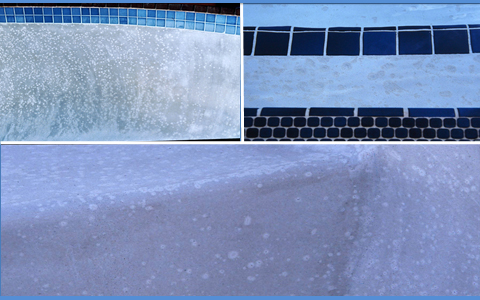
On the flip side, if the calcium hardness of your pool water is to high (pool water is too hard), the excess calcium will bind to the finish causing grey, white, or brown spots to appear. The only remedy for this issue is to drain the entire pool and have it acid washed. Industry standards recommend calcium levels in a swimming pool be within 200 – 400 parts per million (ppm).


The effects of imbalances in pH and alkalinity can cause similar issues to those of poor calcium levels, along with a host of other issues as well. Although they measure slightly different metrics, PH and alkalinity levels have a close relationship with each other. Both are associated with the concentration of acidity in your pool water and an imbalance in one could, in many cases, mean an imbalance of the other as well.

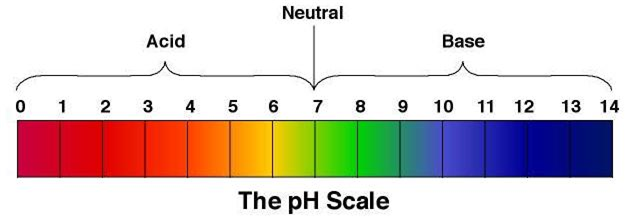
The pH scale is a tool used to measure how acidic or basic your pool water is.  A low pH measurement means the water is to acidic causing the water to be corrosive to finishes, equipment, and irritating to swimmers’ eyes and skin. A high pH reading means the water is more basic causing chlorine to be less effective turning your pool into a breeding ground for algae and bacteria. Industry standards recommend a well-balanced pH be between 7.3 – 7.7 ppm.


Alkalinity gauges the waters ability to resist changes in pH. It measures the amount of alkaline substances dissolved in the water. These alkaline substances buffer changes in pH by neutralizing acids. To raise the alkalinity (increase pH) you simply ad carbonates, bicarbonates or hydroxides to the water. This practice will decrease the amount of acidity in your pool and as a direct effect cause the pH reading to increase. Those most commonly used products to increase alkaline readings in a pool are sodium carbonate and sodium bicarbonate. To lower the Alkalinity reading (lowering pH), simply dilute muriatic Acid in a bucket of water and pour it evenly within your pool. Industry standard alkalinity levels should fall between 90 – 120 ppm.


The best practice is to maintain a strict weekly testing regiment and to take quick action if your pool ever falls outside any of these recommended ranges. Following these guidelines should keep your pool finish looking great, ensure warranty coverage remains in effect, and provide a safe swimming environment for you and your family.

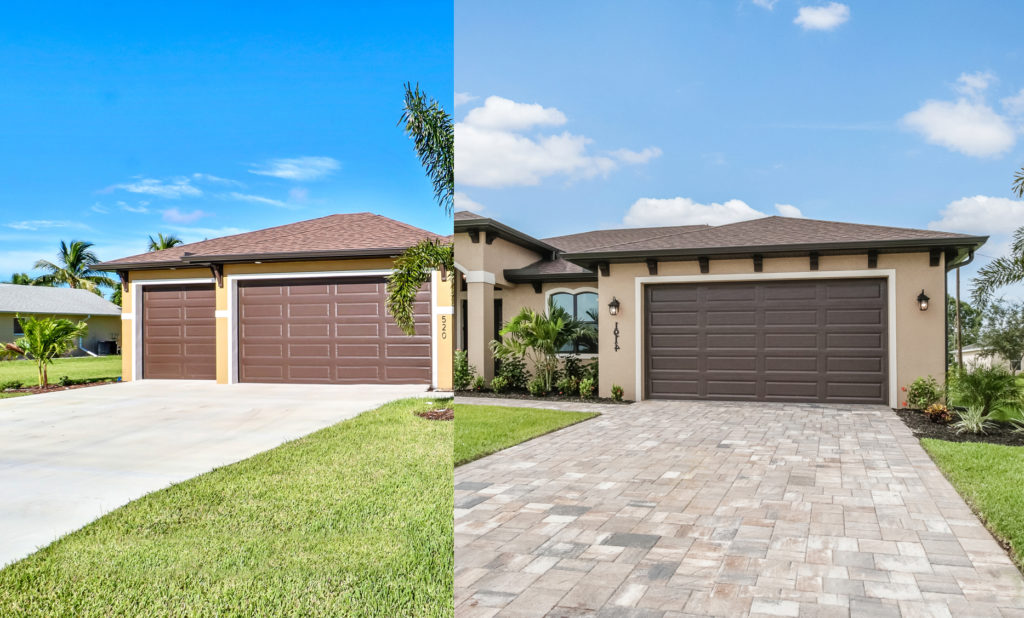
One of the first things people notice when visiting your new home is the driveway. There are a ton of different options when it comes to choosing the right materials for the job. Two of the most popular options are decorative paver stones or concrete slabs. The three most important factors to consider are the initial cost, maintenance cost, and overall aesthetic look.  To help you decide which route best suits your specific job, we’ll compare both materials with these three factors in mind.

Initial Cost

There is a slight disparity between the two materials as far as initial cost is concerned. A concrete slab driveway will generally be the cheaper option if you elect against an upgrade to stamped concrete, but not by much. You can plan on saving around 10% when choosing concrete over decorative pavers, but those savings could be forfeited down the road with higher repair costs.

Maintenance Cost

Concrete is relatively easy to maintain but cracking is likely to occur at some point down the road. As the ground moves over time it puts stress on the surface of the concrete causing it to crack in various places. If a minor crack appears it can sometimes be fixed with a spot treatment or patch, but the repair will be easily noticeable with how difficult it is to match concrete poured at different times. If the cracks are severe and over multiple spots you may have to tear up the entire slab to redo it. 

If pavers crack, each one can be easily removed and replaced. You can order the replacement paver to closely match the color of the damaged one thus not disrupting the pattern. If they sink, simply remove the sunken paver, add fill dirt to bring it back up to the proper level and replace it. Both repairs can be done with a much lower cost and labor compared to problems encountered by ground shifts beneath concrete. 

Overall Aesthetic Look

One of the first things people notice when arriving at a new home is the driveway so it’s important to make sure it provides the first impression you desire. Paving stones come in a variety of shapes and colors, providing design freedom to anyone building a new home along with being generally more appealing than a boring concrete slab.

However, there many different practices used to alter the appearance of concrete such as texturing, staining, or stamping.  Stamped concrete is a technique used to mimic the appearance of pavers although you still have issues with cracking and repairs.

Many people prefer the look and benefits of lower long-term maintenance costs of pavers over concrete, but personal preference and budget will go a long way in ultimately determining which route is right for you.  You should look closely at all options and get quotes for both before making a final decision.     

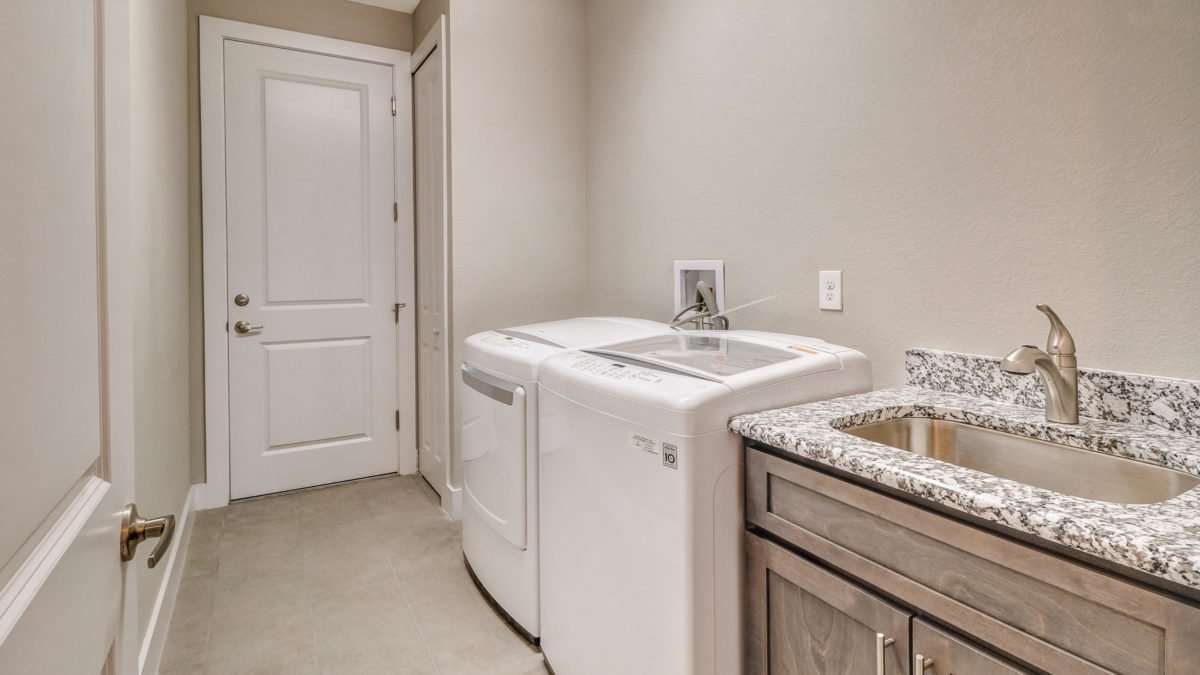
Do you feel claustrophobic every time you walk into your small laundry room? Do you struggle with keeping things neat and orderly in such a small space? If you answered yes to either question, you have several viable solutions. In fact, you have multiple laundry room ideas that can make a small space more functional. Instead of feeling frustrated or even defeated, consider some of the suggestions provided.

Continue reading ..

new construction cape coral

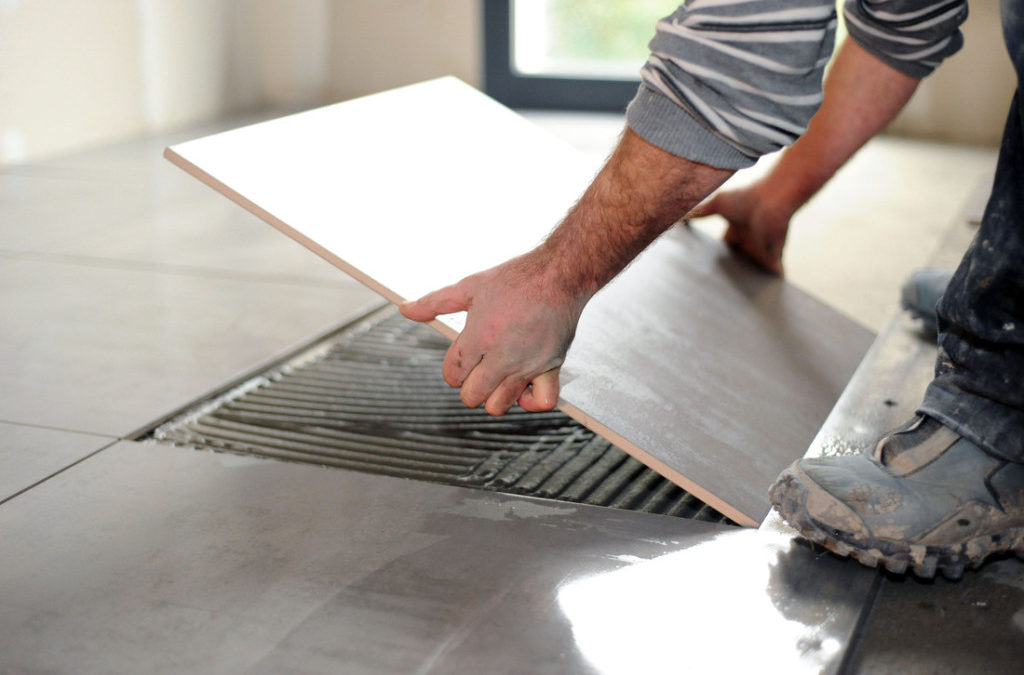
Often times in the flooring world, we interchangeably refer to ceramic and porcelain as TILE. They are both in the tile family, come in many shapes and sizes and both offer great choices. However, there are a few major differences and it is important to understand those differences before making your purchase. Continue reading ..

The possibilities for making your master bath more spacious, relaxing, sophisticated, or functional are endless. Whether hiring a licensed contractor to do the work or taking this on as a do-it-yourself project, virtually any look that you want can be achieved….

Continue reading ..

SPICA COLOR TRANSITIONAL 3 CAR VERSION 11X17All homes are designed, but few homes are designed well, there are many things to consider when building a new construction home that help to increase its overall value.  As a general rule you should always consider ceiling and door heights as well as quality general finishes. Higher ceiling and door heights will always get higher values.  Finishes should be neutral and work within a variable taste spectrum to ensure top home resale.  Beyond that, here are a few more specific considerations.

Continue reading ..