
Starting with a Clean (or Green) Slate
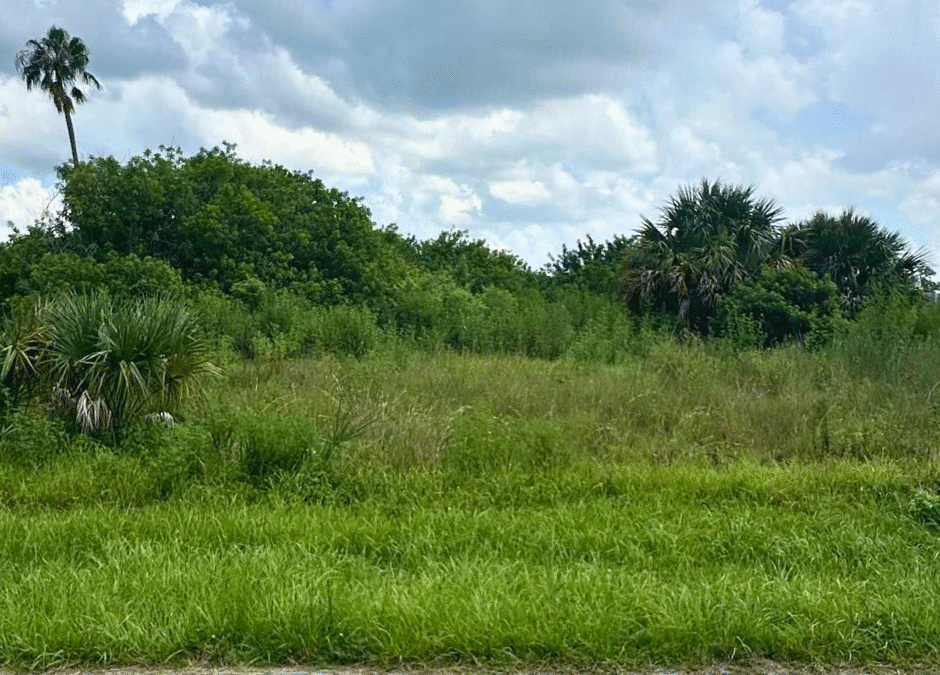
Buying a lot in Cape Coral is exciting, but before you can break out the blueprints for your dream home, you’ve got to deal with what’s already growing there. A patch of pines or palms might be a future shady retreat, or it might be an invasive troublemaker that has to go. The trick is knowing which trees to keep, which to clear, and which ones the city won’t even let you touch. A little knowledge now can save you from big headaches later.
Native Trees Worth Keeping
Not every tree is an obstacle. If a Cape Coral lot isn’t already clear, it will often feature slash pines, live oaks, and sabal palms—the state tree of Florida. These native species can provide shade, curb appeal, and a natural buffer for your new home. Large canopy natives, sometimes called “heritage trees,” are even encouraged for preservation under city rules. If you can keep them, they may become a centerpiece of your future landscaping.
A quick guide to common native trees and shrubs:
- Slash Pine – Tall, hardy pine that provides shade and valuable wildlife habitat.
- Live Oak – Sprawling shade tree with strong branches, prized as a heritage tree.
- Sabal Palm – Florida’s state tree, drought-tolerant and iconic in coastal landscapes.
- Gumbo Limbo – Native hardwood with distinctive red bark, highly storm-resistant.
- Saw Palmetto – Hardy, low-growing palm that thrives in sandy soils and supports native fauna.
- Firebush – Colorful flowering shrub that attracts hummingbirds and butterflies.
- Muhly Grass – Ornamental native grass known for its striking pink plumes in the fall.
- Cocoplum – Dense evergreen shrub that works well as a natural privacy hedge.
Invasive Species You’ll Need to Remove
On the flip side, Cape Coral is home to some problem plants. Brazilian pepper, Australian pine, and melaleuca are considered invasive and must be removed. These species grow aggressively, crowd out natives, and can even damage underground utilities. If you find them on your lot, removal isn’t just recommended, it’s required.
Trees and shrubs to watch out for:
- Brazilian Pepper – Aggressive, fast-spreading tree that crowds out native species.
- Australian Pine – Shallow-rooted, prone to storm damage, and disruptive to native ecosystems.
- Melaleuca (Paperbark Tree) – Consumes large amounts of water, dries out soils, and fuels wildfires.
- Carrotwood – Introduced ornamental now classified as invasive due to rapid spread.
- Air Potato Vine – Fast-growing vine that climbs and smothers trees.
- Rosary Pea – Invasive vine with bright red seeds that are highly toxic.
Fruit Trees, Allowed but Non-Native
You’re unlikely to find fruit trees on a vacant lot since they’re usually planted intentionally, but some properties may already have them.
These species don’t count toward the city’s required native landscaping, yet you’re free to keep them if they’re healthy and not in the way of construction. And let’s be honest… fresh, homegrown fruit is never a bad perk.
- Citrus (Orange, Lemon, Grapefruit) – Popular yard trees, though often affected by citrus greening disease.
- Mango – Tropical fruit tree that thrives in Southwest Florida’s warm climate.
- Avocado – Long-lived tropical tree that produces high-demand fruit.
- Banana – Technically a large herb, not a tree, but commonly planted and fast-growing.
Permits, Plans, and Paperwork
Clearing land isn’t as simple as bringing in equipment and knocking everything down. In Cape Coral, clearing is tied directly to the building permit process. When you build a home with Sposen, the clearing is covered under the house permit.
A separate clearing permit is only required if you plan to clear the lot without starting construction right away.
Here’s what’s usually involved:
- Survey: An up-to-date property and tree survey to mark boundaries, easements, and vegetation.
- Landscape Plan: A professional plan showing which trees will stay, which will go, and how landscaping will be restored.
- Special Permits: Extra approvals if your lot contains wetlands, is near canals, or falls in environmentally sensitive zones.
Skipping this step can lead to code enforcement actions, fines, or project delays.
Protecting the Environment
Because Cape Coral’s neighborhoods are woven around canals and drainage systems, the city takes water flow and storm protection seriously. Clearing and grading can’t disrupt drainage or cause erosion. Wetlands are strictly off-limits unless you’ve secured additional permits from state or federal agencies.
For homeowners with lots near the water, mangroves may also come into play. These coastal trees are heavily protected under state law. We’ve covered mangroves in detail in our blog Get to the Root—be sure to read it if your lot borders a canal or shoreline.
How the Land Gets Cleared
Turning a raw Cape Coral lot into a buildable site is a step-by-step process designed to keep your future home safe, stable, and code-compliant. Here’s how land clearing usually plays out:
- Erosion and Drainage Control – Silt fences or other protective measures are installed to keep stormwater and sediment from washing into canals or neighboring lots.
- Vegetation and Debris Removal – Trees, shrubs, stumps, and other debris are cleared from the site.
- Grubbing – Stumps and below-ground roots are dug out to fully prepare the site for construction.
- Cleanup and Final Prep – All debris is hauled away or recycled according to city rules (no bonfires allowed). Once the lot passes inspection, it’s ready for grading, fill, and eventually foundation work.
Clearing might not be the flashiest part of building your home, but it’s an important part of the groundwork. Do it right, and you’ll have a safe, code-approved site ready for the next stage.
From Clearing to Curb Appeal
Clearing a lot makes it build-ready, but it doesn’t always have to mean a completely blank slate. Depending on the species, health, and placement of the trees on your lot, some originals may be able to stay and become part of your finished landscape.
But whether you keep some trees or start anew, your new home will be finished with a fresh landscape package designed to give it instant curb appeal. At Sposen, we offer a standard package that includes:
- Signature Package – Two 14-foot foxtail palms, two double 5-foot Christmas palms, two 4-foot date palms, thirty-four 3-gallon plants, forty bags of mulch, Floritan sod (up to 7,000 sq ft), and a 4-zone irrigation system with digital timer and rain gauge.
Our landscape package is designed to complement your new home with a fresh, polished look.
Building Smart in Cape Coral
At Sposen Homes, we guide clients through the land prep process, from clearing to grading to final landscaping. We’ll help you navigate permits, identify which trees are worth keeping, and ensure your lot is ready for a solid foundation.
If you’re planning to build in Cape Coral, let us walk you through each step so you can focus on what matters most – designing your new home.
📞 Call us today at 239-244-8886 to talk about building on your lot.